AUSTRALIA’S SOCIAL MEDIA BAN: WILL IT PROTECT KIDS OR PUSH THEM TO ALTERNATIVES?
GREATRIBUNETVNEWS–Australia has introduced a world-first ban on social media for children under 16, with 10 platforms agreeing to comply and suspend accounts .
KEY DEVELOPMENTS:
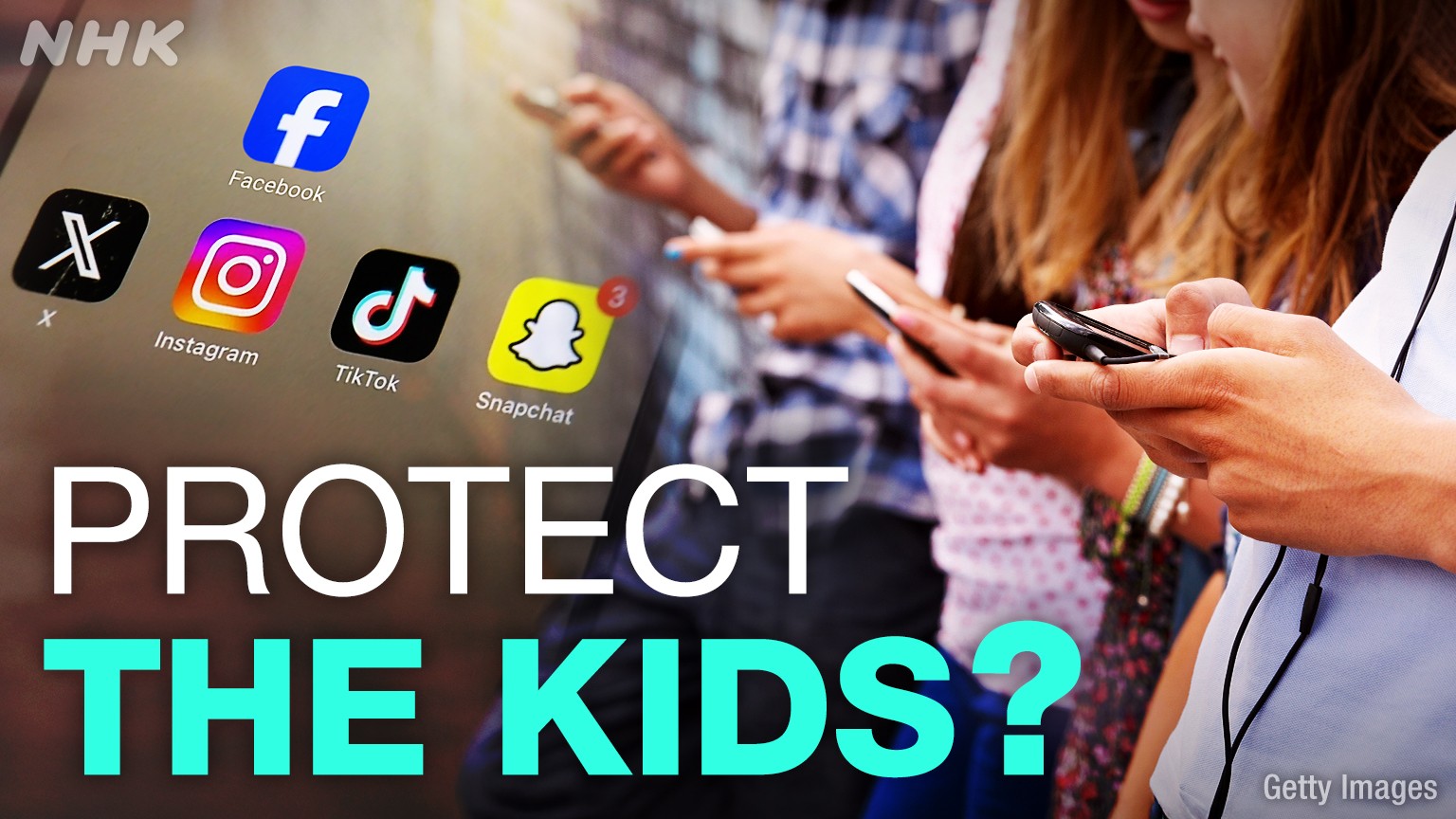
– Banned Platforms : Instagram, Facebook, Threads, Snapchat, YouTube, TikTok, Kick, Reddit, Twitch, and X must verify ages and suspend under-16 accounts
– Age Verification : Platforms use live video selfies, email addresses, or official documents to check ages, as recommended by the Age Assurance Technology Trial
– Consequences : Fines of up to 49.5 million Australian dollars ($32 million) for non-compliance, but no penalties for children or parents who flout the ban
– Platform Responses :
– Snapchat: suspends accounts for 3 years or until users turn 16
– YouTube: automatically signs out under-16s, saves data for reactivation at 16
– TikTok: deactivates under-16 accounts, encourages parents to report non-compliant children
– Meta: removes under-16 accounts from Instagram, Facebook, and Threads
– Excluded Platforms : Discord, GitHub, Google Classroom, LEGO Play, Messenger, Pinterest, Roblox, Steam, WhatsApp, and YouTube Kids
– Criticism : Some platforms object to the ban, citing free speech concerns; others question effectiveness
Prime Minister Anthony Albanese hailed the ban as a “proud day” for Australia, while critics argue it may drive children to alternative platforms
How are kids responding?
Some are looking for alternative platforms that offer similar services that aren’t banned.
Yope, a photo-sharing platform, said it had attracted 100,000 new Australian users by word of mouth as the impending ban loomed. Lemon8, a TikTok-like platform also owned by ByteDance, has also been promoted among teens as a back-up.
Both platforms were put on notice by the eSafety Commissioner. Lemon8 says it’ll comply with Australia’s new laws, while Yope told CNN the ban doesn’t apply to it because it doesn’t allow messaging with strangers.
The eSafety commissioner says the list of banned sites is evolving, and new sites could be added as they gain popularity or offer new services.
The fluid nature of the list, and the incentive for other operators to cater to millions of teens looking for alternatives, has prompted criticism that the government has created a game of “whack-a-mole” that it will arguably never win.
Youth counsellors and support groups are worried that children who rely on social media for inclusion will end up in unregulated digital spaces, where there are even fewer safeguards, and are watching to see where they go.
What happens next?
Part of the motivation for the ban was to get children offline and more engaged with the real world, and that is something officials plan to measure.
“We’ll be looking at everything from are kids sleeping more, are they interacting more? Are they taking fewer antidepressants? Are they reading more books? Are they going outside doing sports?” eSafety Commissioner Inman Grant told the Sydney Dialogue last week.
But she said they’ll also be monitoring the unintended consequences.
“Are they going to darker areas of the web, and what is the outcome?”
Six experts from Stanford University’s Social Media Lab will work with the eSafety Commissioner to gather the data, and the whole process will be reviewed by an independent Academic Advisory Group of 11 academics from the United States, the United Kingdom and Australia.
Stanford University said its approach, methods and findings will be published for scrutiny by researchers, the public and policymakers worldwide.
“We are hopeful that the evidence generated can directly support and inform decision-making by other countries as they seek to promote the online safety of children in their jurisdictions,” the university added in a message
SOURCE ==CNN==EXCEPT THE HEADLINE AND INTRO PLUS A FEW PARAGRAPHS
About the Author