CBN CRACK-DOWN: REVOKES LICENCES OF ASO SAVINGS, UNION HOME 1,UNION HOMES SAVINGS OVER REGULATORY BREACH
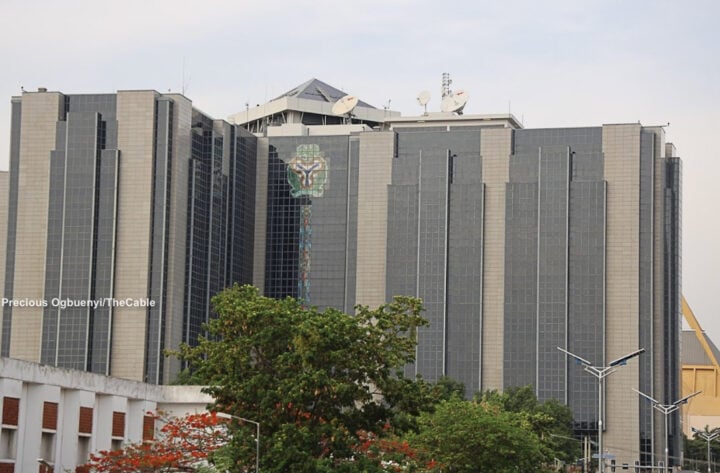
GREATRIBUNETVNEWS–THE Central Bank of Nigeria (CBN) has revoked the operational licences of Aso Savings and Loans Plc and Union Homes Savings and Loans Plc for glaring regulatory breaches and crippling capital deficits.
KEY ISSUES:
– Capital Red Flags : Both institutions failed to meet minimum paid-up share capital requirements for their licence categories.
– Financial Skeletons : Insufficient assets to cover liabilities; critically undercapitalised with capital adequacy ratios way below prudential thresholds.
– Ignored Warnings : Failed to comply with CBN supervisory directives despite chances to rectify.
– Legal Backdrop :
– Section 12, Banks and Other Financial Institutions Act (BOFIA) 2020 grants CBN revocation powers.
– Section 7.3, Revised Guidelines for Mortgage Banks in Nigeria specify capital requirements.
– CBN’s Tough Stance : Part of aggressive push to clean up mortgage sub-sector, enforce iron-clad compliance with laws/standards.
– Immediate Fallout : Aso Savings and Loans Plc and Union Homes Savings and Loans Plc shut down ops as mortgage institutions. Customers advised to seek alternatives.
IMPLICATIONS FOR CUSTOMERS:
– Mortgage Holders : Existing mortgages with these institutions remain valid but servicing may shift to another lender or require repayment.
– Depositors : Funds are protected up to ₦500,000 by Nigeria Deposit Insurance Corporation (NDIC). Customers should:
– Contact NDIC for guidance on claims.
– Verify accounts, ensure no unauthorized transactions.
– Look for alternative mortgage providers for ongoing needs.
– Loan Borrowers : Obligations remain; customers must continue repayments to avoid penalties. Check with CBN/Court-appointed liquidators for next steps.
INDUSTRY EXPERT REACTIONS:
– Oluwatoyin Sanni, Financial Analyst, FSDH Securities: “This signals CBN’s zero-tolerance for weak capital buffers. Expect more consolidation in the mortgage sector; smaller players may struggle.”
– Dr. Adewale Adenuga, Mortgage Banking Expert : “Aso and Union Homes’ failure shows gaps in risk management. Customers should brace for possible disruptions but NDIC safety net cushions impact.”
– Isaac Okwuosa, Lawyer (Financial Regulations) : “Revocation lawful under BOFIA. Likely next steps: CBN appoints liquidators; shareholders may challenge in court if they feel unfairly treated.”
– *Warning from EFInA*: “This increases need for customers to diversify where they save/borrow. Check ratings of remaining mortgage institutions carefully.”
ATTRIBUTION & SOURCES:
– Central Bank of Nigeria (CBN) statement, signed by Ag. Director, Corporate Communications Department, Hakama Sidi Ali. December [insert date], 2025.
– Reactions via interviews with TheCable, Bloomberg, Punch Newspapers.
– Nigeria Deposit Insurance Corporation (NDIC) guidelines on revoked licences .
WHAT CUSTOMERS SHOULD DO NOW:
1. Contact NDIC via _126_ on mobile or through link
2. Check account statements; flag any odd transactions.
3. Consult a lawyer if your mortgage/loan is affected for personalized advice.
4. Look for alternative mortgage providers
The statement states: “As part of its efforts to re-position the mortgage sub-sector and promote a culture of compliance with relevant laws and regulations, the Central Bank of Nigeria, in exercise of the powers conferred on it under Section 12 of BOFIA 2020, and Section 7.3 of the Revised Guidelines for Mortgage Banks in Nigeria has revoked the licenses of Aso Savings and Loans Plc and Union Homes Savings and Loans Plc.
“The affected institutions had violated various Sections of BOFIA 2020 and the Revised Guidelines for Mortgage Banks in Nigeria, including failure to meet the minimum paid-up share capital requirement for the category of the bank licence granted to them by the CBN. Having insufficient assets to meet their liabilities, being critically undercapitalised with a capital adequacy ratio below the prudential minimum ratio as prescribed by the CBN and failure to comply with several directives and obligations imposed upon them by the CBN.”
About the Author