ANCIENT ‘POOP MEDICINE’: ROMANS DID IT FIRST, AND SCIENCE JUST PROVED IT”
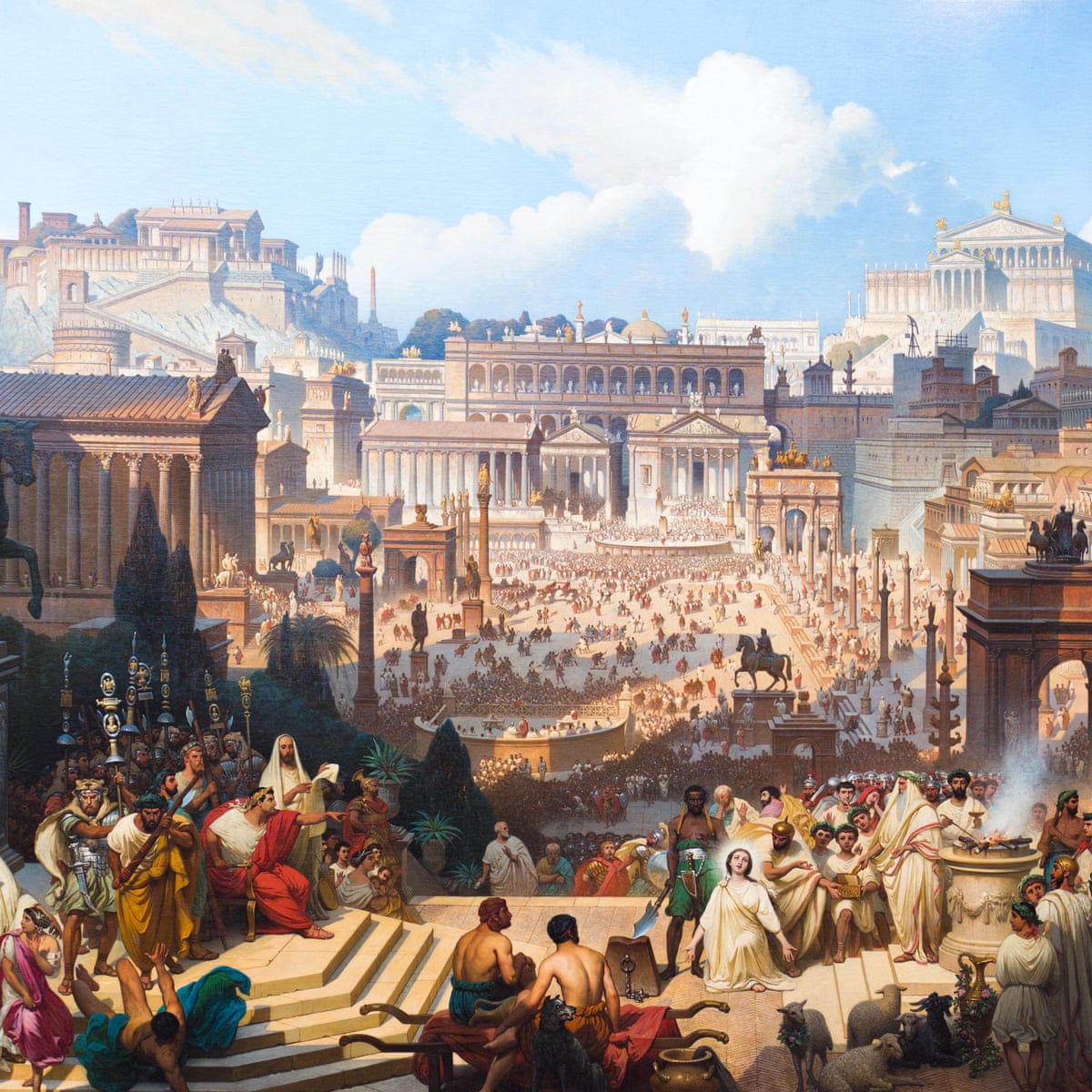
GREATRIBUNETVNEWS–THE discovery of human feces in a 1,900-year-old Roman glass vial in Turkey confirms that ancient Romans used fecal matter as medicine, aligning with global interests in alternative therapies and microbiome research.
– Physical Evidence Uncovered: Researchers found residues in a Roman glass bottle, known as unguentaria, at the Bergama Museum, containing human feces, thyme, and olive oil.
– Galen’s Ancient Recipe: The mixture matches a medicinal preparation described by the famous Roman physician Galen, who served three Roman emperors.
– Fecal Transfer Therapy : The study suggests that fecal transfer, a practice used in modern medicine, was already known in ancient times.
– Thyme’s Antibacterial Properties: Thyme was used to suppress the odor of the feces and for its antibacterial properties.
– Repurposed Perfume Bottle: The glass bottle, typically used for perfume, was likely repurposed as a medicine bottle.
(The US Food and Drug Administration has approved two fecal transfer products for the prevention of recurrent bacterial infection of the colon in adults.)
As lead study author Cenker Atila said, “Finding the very remedy described by Galen himself was both a great surprise and a source of immense excitement for us.”
The investigation was scientifically solid, said Nicholas Purcell, a professor emeritus of ancient history at the University of Oxford, England, who was not involved in the study.
The findings are not surprising, as this kind of therapy is prominent in Roman texts, he said, “but it is very nice to join that tradition up with archaeological material.”
“I’d be very interested in the context in which this was found, before it reached the museum stores,” said Purcell, who raised the possibility that the glass bottle may have been found in a tomb, perhaps buried alongside a doctor or a patient.
“The default has been to think little glass vessels in tombs held lovely luxuries, especially perfumes and cosmetics, but the main contribution of this neat piece of research could be to widen that enquiry,” he added.
The study was published on January 19.
SOURCE ==CNN==EXCEPT THE HEADLINE AND INTRO PLUS A FEW PARAGRAPHS
About the Author