“TUNUBU SHUFFLES POLICE LEADERSHIP: 29 SENIOR OFFICERS TO BE SACKED,TUNIJI DISU TO TAKE OVER,AFTER IGP EGBETOKUN’S REMOVAL “
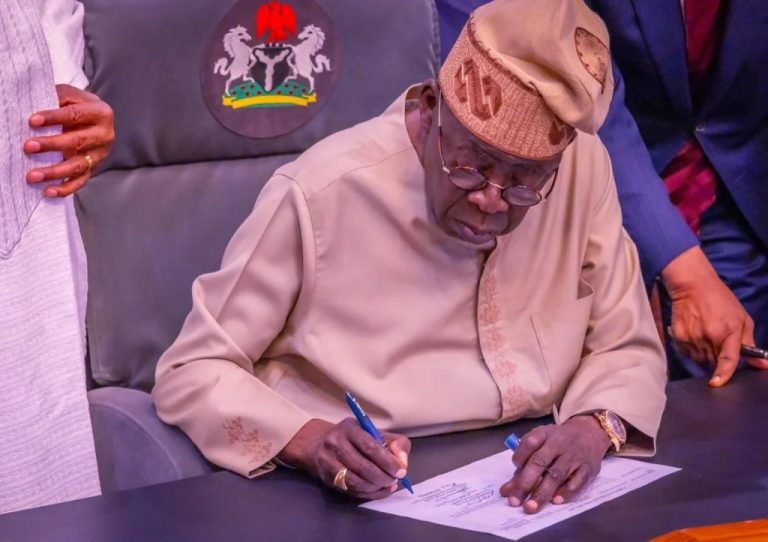
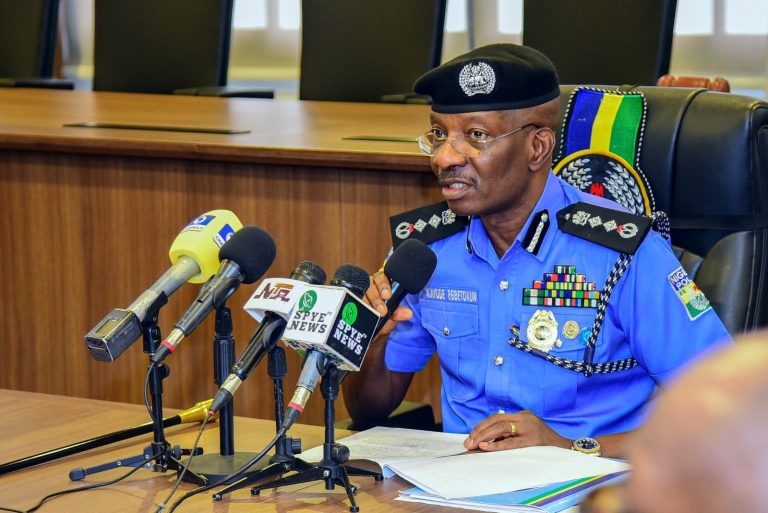
GREATRIBUNETVNEWS–President Bola Tinubu has ordered the removal of Inspector General of Police, Kayode Egbetokun, with Tunji Disu set to take over as the new IGP.
Key Issues:
– _”29 senior police officers are to be fired, so senior DIGs and AiGs are set to go.”_
– Reason for Removal: Egbetokun’s incompetence, scandals, and power-drunk nature cited as reasons for his sacking.
– _”He is incompetent and the scandals are just too many. He is power-drunk.”_
– Successor : Tunji Disu, Assistant Inspector General of Police, FCID Annex, Alagbon, Lagos, to take over.
Tunji Disu, Nigeria’s new Inspector-General of Police, has a wealth of experience in law enforcement, with over three decades in the force. His plans for the Nigeria Police Force include
– Improved Security Coordination: Enhancing security measures nationwide, leveraging his operational background and leadership experience.
– Intelligence-Driven Policing: Building on his success with the Rapid Response Squad and Intelligence Response Team, he’ll focus on intelligence-based policing.
– Professionalism and Accountability: Promoting professionalism among officers, with a strong emphasis on investigative standards and case management.
– Community Engagement: Fostering better relationships with communities, as seen during his tenure as RRS Commander in Lagos.
– Reform and Modernization: Continuing police reforms, with a focus on modernization and improved investigative capacity.
Disu’s academic background, including degrees in English Education, Public Administration, and Criminology, will likely inform his approach to policing
– _”Egbetokun was at the (Presidential) Villa yesterday and was told to go and prepare his handover notes.”_
– Controversies: Egbetokun’s prolonged stay in office despite retirement rules sparked debate.
–
Egbetokun’s tenure was extended beyond the mandatory retirement age of 60 or 35 years of service.
Civil society groups and critics argued that his continued stay violated police service rules, sparking heated debates about favouritism and disregard for institutional discipline
SaharaReporters exclusively reported how Bukola Yemisi Kuti, a Principal Staff Officer to Egbetokun, received rapid promotions under questionable circumstances.
Critics alleged that her closeness to the IGP gave her undue advantage, fueling perceptions of favoritism and nepotism within the police force.
Sources told SaharaReporters that Kuti was not just a staff officer but also personally linked to Egbetokun as his mistress, which made her promotions scandalous.
SaharaReporters also reported exclusively that ₦100 million from Anambra State’s security vote was traced to the account of Victor, the son of Kayode Egbetokun.
This sparked significant controversy, as it raised concerns about the possible diversion of state security funds and the alleged personal benefit to the Inspector-General’s family.
Rather than allowing an independent investigation into the matter, police authorities deployed institutional resources to pursue legal action against Sowore and SaharaReporters reporting on the allegations, further fueling suspicions of corruption and abuse of office.
During this period, Egbetokun’s office was repeatedly in the headlines for initiating lawsuits against journalists and activists.
He filed multiple charges against activist Sowore and SaharaReporters after the activist publicly referred to him as an “illegal IGP.”
This confrontation escalated into a legal battle, with the Federal High Court issuing injunctions restricting further publications concerning him and members of his family. Critics interpreted these legal actions as attempts to silence dissent and undermine press freedom.
Following additional reports by Sowore and SaharaReporters regarding alleged promotions and financial improprieties, Egbetokun’s camp responded with further litigation.
Court orders were issued restraining both Sowore and SaharaReporters from publishing additional reports concerning Egbetokun, his son Victor, and Bukola Kuti.
Observers argued that, instead of addressing the allegations through open and transparent investigations, the police leadership appeared to be focused on pursuing legal measures against critics.
This, in turn, reinforced perceptions of an embattled Inspector-General relying on state authority to defend his personal and professional interests.
About the Author