“IRAN IN 40 DAY NATIONAL MOURNING: SUPREME LEADER AYATOLLAH KHAMENEI KILLED IN US-ISRAEL STRIKES “
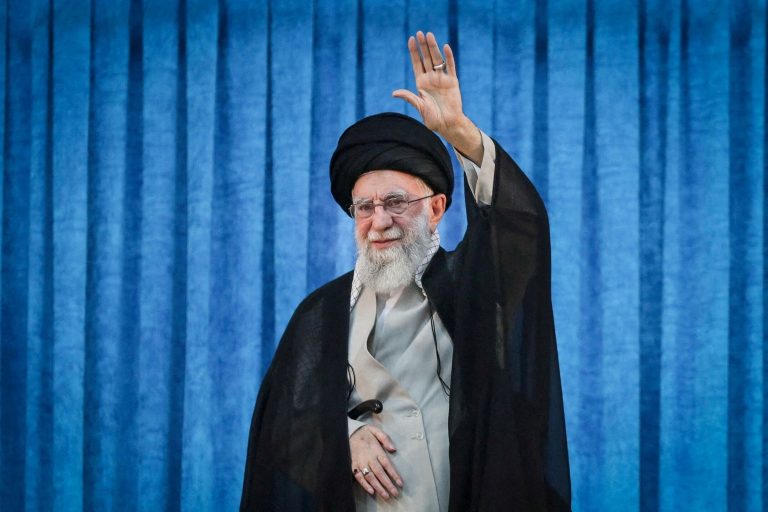
GREATRIBUNETVNEWS–Iran’s Supreme Leader Ayatollah Ali Khamenei has been confirmed dead after a coordinated US-Israel airstrike campaign, sparking a 40-day national mourning period. Here are the key issues:
– _”The Supreme Leader of Iran Has Reached Martyrdom”_: Iranian state media announced Khamenei’s death, describing it as a martyrdom in service to the nation.
– Historic Power Vacuum : Khamenei, 86, had led Iran since 1989, wielding ultimate political and religious authority, leaving a sudden leadership void.
– _”A period of reflection and commemoration rooted in Shi’a tradition”_: The 40-day mourning period underscores the gravity of the moment for the Islamic Republic.
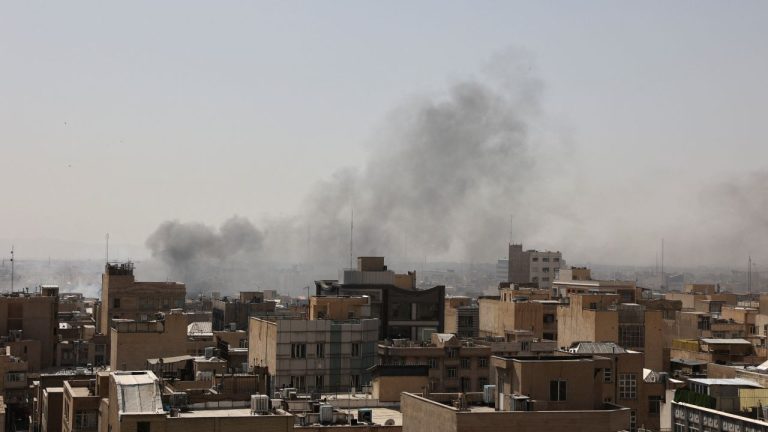
– Regional Tensions Rise: The US and Israel launched the strikes, targeting key Iranian sites, killing several senior defense officials.
– _”The government’s declaration of 40 days of mourning… emphasizes the profound national impact of the Supreme Leader’s death”_: State authorities ordered seven days of national holidays and closure of official offices .
The announcement comes amid an unprecedented escalation in regional conflict after the United States and Israel launched extensive military strikes on Iranian military and government targets in recent days as part of what U.S. leaders have termed an effort to counter Iran’s missile and nuclear threats.
U.S. President Donald Trump hailed the strike that killed Khamenei as a decisive blow against what he described as one of the world’s most oppressive figures, framing it as a step toward a more stable Middle East and calling on Iranian forces to stand down.
Israeli leaders also affirmed their role in the coordinated campaign, asserting that Khamenei and other strategic targets were eliminated in operations they described as essential for dismantling threats emanating from Tehran.
The deaths of Khamenei and other high-ranking Iranian officials have created an immediate power vacuum at the pinnacle of Iran’s theocratic system, where no clear successor had been publicly designated, raising questions about internal stability and future leadership.
Under Iran’s constitution, the next Supreme Leader must be chosen by the Assembly of Experts, a clerical body charged with selecting a successor — a process that now faces intense global scrutiny and uncertainty.
Iran’s foreign minister and senior clerics described Khamenei’s leadership as instrumental in shaping the country’s policies, both domestically and on the world stage, highlighting his role as a spiritual guide as well as political leader.
The announcement of 40 days of mourning reflects the regime’s attempt to channel national grief and fortify unity among its population in the face of external military pressure and internal dissent.
The strikes on Iran triggered immediate regional instability, including retaliatory missile and drone attacks by Iranian forces against U.S. bases and allied positions in the Gulf region, contributing to heightened tensions across the Middle East.
Civilian casualties were reported on both sides of the conflict, with damage to infrastructure and disruption of commercial air travel prompting international concern and emergency diplomatic interventions.
Global reactions were deeply divided, with some allied nations supporting U.S. and Israeli actions while others condemned the escalating violence and called for restraint and diplomatic engagement to avert further devastation.
The United Nations Security Council convened emergency sessions as world leaders expressed alarm over the potential for full-scale war engulfing the Middle East and its ripple effects on global security and energy markets.
Within Iran, state media’s narrative highlighted Khamenei’s legacy as a central figure in the Islamic Republic’s history, vowing continuity of governance and resistance against perceived external aggression.
Meanwhile, analysts caution that the absence of a designated successor and the shock of losing a long-standing leader could precipitate political fragmentation, power struggles, or reforms within Iran’s establishment.
As Iran enters a prolonged period of mourning and reflection, the world watches closely how this historic moment will reshape the geopolitical landscape, affect global diplomacy, and influence the future of Middle East stability
About the Author