US FEELS HEAT AS GULF STATES REASSESS INVESTMENTS AMID IRAN WAR
GREATRIBUNETVNEWS–Gulf states, including Saudi Arabia, UAE, Kuwait, and Qatar, are reviewing their investments in the US due to financial strains caused by the Iran war. This move could impact US economic growth, particularly in sectors like energy, tourism, and aviation .
Key Issues:
– _”A number of Gulf countries have begun an internal review to determine whether force majeure clauses can be invoked in current contracts, while also reviewing current and future investment commitments.”_
– Investment Review: Gulf states are assessing their US investments, potentially affecting sports sponsorships, contracts, and sales of holdings.
– Budget Strains: Reduced energy income, slowed output, and increased defense spending are driving the review.
– US Economic Impact: The review could lead to higher energy prices, inflation, and slowed economic growth.
The Gulf states’ sovereign wealth funds, with trillions of dollars in assets, may prioritize security and domestic stability over US investments. This could lead to a shift in global investment flows
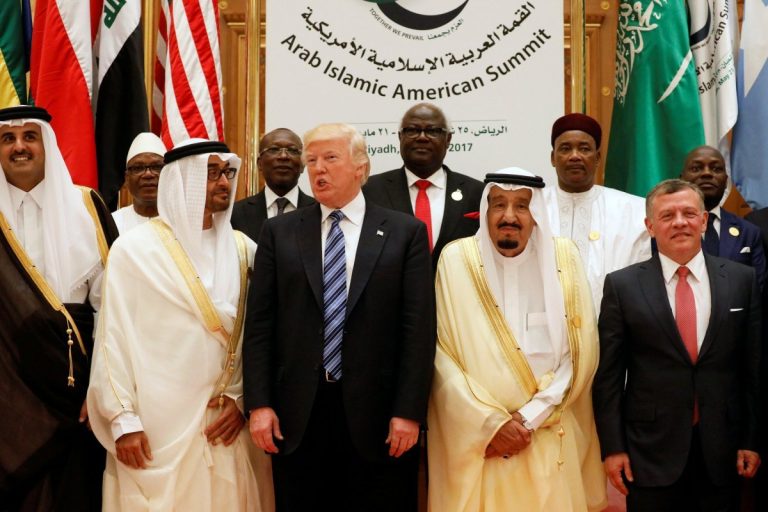
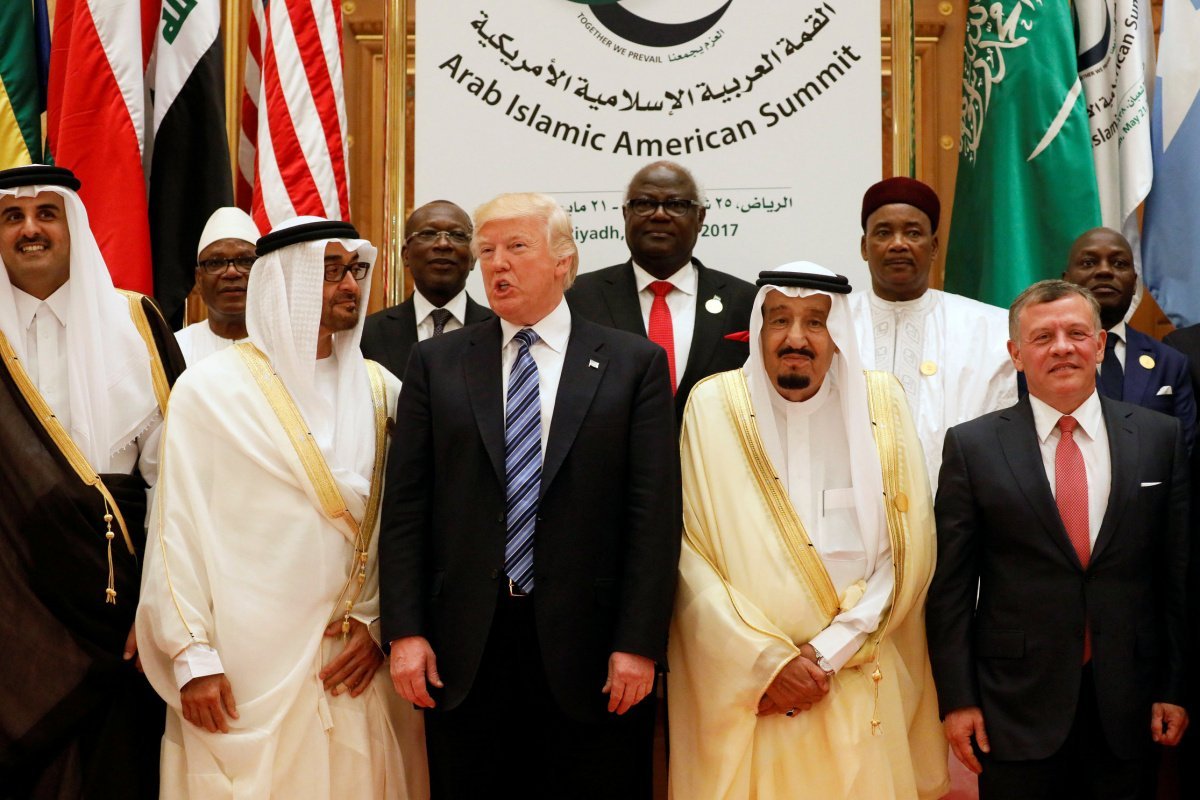
An adviser to a Gulf government said the prospect of an investment review by the wealthy states had caught the White House’s attention. They manage some of the world’s largest and most active sovereign wealth funds, and Saudi Arabia, the UAE and Qatar last year pledged to invest hundreds of billions of dollars in the US after President Donald Trump visited the region.
They are also big backers of sporting events around the world and have all been investing heavily domestically to develop their nations and diversify their economies.
Any move that affects investments in the US or other western states may raise the pressure on Trump to seek a diplomatic strategy to bring the war to an end.
The oil-rich Gulf states have been dragged into the conflict that the US and Israel launched against Iran, with Tehran unleashing a ferocious response against Washington’s regional allies. The war has caused shipping traffic to slow to a halt through the Strait of Hormuz — the crucial waterway through which a fifth of the world’s oil and gas passes — with at least 10 tankers being struck in the Gulf.
Qatar, the world’s second-largest liquefied natural gas producer, was forced to declare force majeure this week after it suspended production following a drone attack on its main LNG plant. One of Saudi Arabia’s largest oil refineries has also been struck.
Iran has also hit US bases and embassies in the region, as well as airports, hotels and residential buildings, severely disrupting air traffic and tourism.
The Gulf states had pressed Trump to hold off on an attack and pursue a diplomatic solution with Iran, but have since borne the brunt of the Islamic republic’s retaliation.
Recommended
The FT ViewThe editorial board
The Gulf’s safe-haven status is under fire
Khalaf al-Habtoor, a prominent Emirati businessman, reflected Gulf frustrations about being dragged into a war triggered by the US and Israel in a social media post addressed to Trump.
“A direct question: Who gave you the authority to drag our region into a war with #Iran? And on what basis did you make this dangerous decision?” he said on X. “Did you calculate the collateral damage before pulling the trigger?”
He pointed out that the Gulf states were expected to be major funders of Trump’s plan to rebuild Gaza and backers of his wider “Board of Peace”.
He said Arab Gulf countries had “contributed billions of dollars on the basis of supporting stability and development”, adding: “These countries have the right to ask today: where did this money go? Are we funding peace initiatives or funding a war that exposes us to danger?”
SOURCE ==FINANCIAL TIMES==EXCEPT THE HEADLINE AND INTRO PLUS A FEW PARAGRAPHS
About the Author