NIGERIA’S POWER PARALYSIS: N6.8TN DEBT CRISIS SHUTS DOWN PLANTS
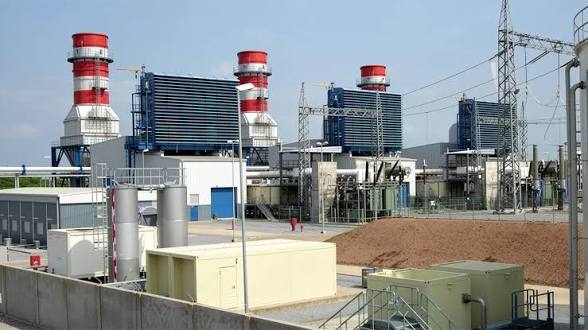
GREATRIBUNETVNEWS–NIGERIA’S electricity crisis is worsening, with 16 out of 33 power plants shut down due to a N6.8 trillion debt burden, leaving the country with a mere 3,705 megawatts of power.
Key Issues:
– _”We cannot maintain the machines,”_ – Joy Ogaji, CEO of the Association of Power Generation Companies, highlighting the cash crunch.
– Massive Debt: N6.8 trillion owed to GenCos, accumulating since 2015, with N200 billion added monthly.
– _”The cash crunch has reached critical levels.”_ – Joy Ogaji
– Gas Supply Disruption: GenCos owe gas suppliers and transporters 60% of their dues, threatening fuel availability.
– Low Generation Capacity : 3,705 megawatts produced, far below national demand and average 4,000MW.
The Federal Government plans to raise N4 trillion to settle part of the debt, but concerns persist about its effectiveness .
Gas-fired plants account for nearly 70 per cent of Nigeria’s electricity generation, making steady fuel supply crucial. However, suppliers are increasingly demanding payment guarantees before continuing deliveries, worsening the generation shortfall.
The crisis has pushed operators to the brink. Some GenCos have taken bank loans to stay afloat, while others struggle to pay salaries. In some cases, owners have pledged personal assets as collateral to secure financing.
Despite being Africa’s largest economy, Nigeria continues to face chronic power shortages, with only about half of the population connected to the national grid and most consumers experiencing frequent outages.
In response, the Federal Government plans to raise N4 trillion through domestic bonds to offset part of the sector’s long-standing debt. The move is aimed at clearing arrears owed to GenCos and gas suppliers, though only a fraction of the funds has been raised so far.
While stakeholders have welcomed the intervention, concerns remain over its slow implementation and whether it will be enough to halt the mounting debt and stabilise the sector.
Analysts say without urgent reforms to improve revenue collection and address structural inefficiencies, the liquidity crisis could worsen, forcing more plants offline and deepening Nigeria’s power deficit.
About the Author