
“SILENCING THE PRESS DOESN’T SECURE NATIONS: WHY WORLD PRESS FREEDOM DAY 2026 MATTERS FOR NIGERIA” BY GBEMIGA BAMIDELE
GREATRIBUNETVNEWS–GBEMIGA Bamidele says a free press is “a societal necessity” and the real foundation for peace, rights, development, and security.
Key Issues:
1. Press Freedom Is A Societal Necessity, Not Just A Media Issue
_”The theme for this year’s world press freedom day captures a profound truth: press freedom is not merely a media concern; it is a societal necessity. Nowhere is this more evident than in Africa, and particularly in Nigeria, where the media sits at the crossroads of governance, conflict, and development.”
_”Under the normative leadership of UNESCO, this theme challenges states and societies to rethink the role of journalism—not as a disruptive force, but as a stabilizing pillar of democratic life.”
2. Sustainable Peace Demands More Than The Absence Of Conflict
_”In many African contexts, peace is often narrowly defined as the absence of conflict. However, sustainable peace requires justice, inclusion, and informed public discourse—all of which depend on a free and responsible press.”
_”The media has the power to: De-escalate tensions through accurate reporting. Counter misinformation and hate speech. Amplify voices of reconciliation and dialogue… True peace, therefore, is not achieved by silencing the press but by protecting it.”
3. Press Freedom Gives Life To Human Rights
_”Press freedom is inseparable from human rights. It gives life to the fundamental right to freedom of expression and ensures that citizens can hold power accountable.”_
_”Journalists have historically exposed: Electoral irregularities, corruption and misuse of public funds, discouraged human rights abuses by state and non-state actors.”_
_”Persistent challenges remain: Use of cybercrime and security laws to detain journalists, limited access to public information, and weak enforcement of legal protections. If citizens are denied access to information, then human rights become abstract promises rather than lived realities.”_
4. Independent Journalism Fuels Inclusive Development
_”Press Freedom as a driver of development is not only about infrastructure—it is about informed participation, accountability, and inclusive governance.”_
_”A free press contributes to development by investigating corruption that diverts public resources, highlighting gaps in education, health, and social services, and providing a platform for marginalized voices.”_
_”Economic pressures on media houses—ownership concentration, advertising dependence, and financial instability—threaten editorial independence. Without independent journalism, development risks becoming elite-driven rather than people-centered.”_
5. Restricting The Press Undermines Security
_”Across Africa, governments often justify restrictions on the media in the name of national security. In Nigeria, this has manifested in crackdowns on journalists covering protests or conflict, attempts to regulate or restrict digital platforms, and framing critical reporting as a threat to state stability.”_
_”A restricted press does not enhance security—it conceals insecurity.”
THE FULL TEXT BY GBEMIGA BAMIDELE
COMMENTARY ON WORLD PRESS FREEDOM DAY 2026
THEME: “SHAPING A FUTURE OF PEACE: PROMOTING PRESS FREEDOM FOR HUMAN RIGHTS, DEVELOPMENT
AND SECURITY ”BY
GBEMIGA BAMIDELE
BY GBEMIGA BAMIDELE
GREATRIBUNETVNEWS –THE theme for this year’s world press freedom day captures a profound truth: press
freedom is not merely a media concern; it is a societal necessity. Nowhere is this
more evident than in Africa, and particularly in Nigeria, where the media sits at the
crossroads of governance, conflict, and development.
Under the normative leadership of UNESCO, this theme challenges states and
societies to rethink the role of journalism—not as a disruptive force, but as a
stabilizing pillar of democratic life.
P r e s s F r e e d o m a n d P e a c e : B e y o n d S i l e n c e t o S t a b i l i t y
In many African contexts, peace is often narrowly defined as the absence of
conflict. However, sustainable peace requires justice, inclusion, and informed
public discourse—all of which depend on a free and responsible press.
In Nigeria, recurring challenges such as communal clashes, insurgency, and
political tensions highlight the need for conflict-sensitive journalism. The media has
the power to: De-escalate tensions through accurate reporting Counter
misinformation and hate speech Amplify voices of reconciliation and dialogue Yet,
this role is frequently undermined when journalists operate under fear—fear of
arrest, intimidation, or censorship.
True peace, therefore, is not achieved by silencing the press but by protecting it.
Human Rights and the Right to Know
Press freedom is inseparable from human rights. It gives life to the fundamental
right to freedom of expression and ensures that citizens can hold power
accountable.
Across Africa, and in Nigeria specifically, journalists have historically exposed:
Electoral irregularities,corruptionion and misuse of public funds, discouraged humanman rights
abuses by state and non-state actors.
Organizations such as the Media Rights Agenda (MRA) and the International
Press Centre (IPC), among others, continues to advocate for transparency and
accountability, often using World Press Freedom Day as a platform for
engagement.
However, persistent challenges remain: Use of cybercrime and security laws to
detain journalists, limited access to public information, and weak enforcement of
legal protections. If citizens are denied access to information, then human rights
become abstract promises rather than lived realities.
Press Freedom as a driver of development is not only about infrastructure—it is
about informed participation, accountability, and inclusive governance.
A free press contributes to development by investigating corruption that diverts
public resources highlighting gaps in education, health, and social services, and
providing a platform for marginalized voices.
In Nigeria, the media has played a crucial role in shaping public discourse around
governance reforms, economic policies, and social justice. Yet, economic
pressures on media houses—ownership concentration, advertising dependence,
and financial instability—threaten editorial independence.
Without independent journalism, development risks becoming elite-driven rather
than people-centered. Security and the Paradox of Control Perhaps the most The
The delicate aspect of this theme lies in the relationship between press freedom and
security.
Across Africa, governments often justify restrictions on the media in the name of
national security.
In Nigeria, this has manifested in crackdowns on journalists
covering protests or conflict, attempts to regulate or restrict digital platforms,
and framing critical reporting as a threat to state stability. However, this approach
misunderstands the role of the media.
A restricted press does not enhance security—it conceals insecurity.
A free press, on the other hand, serves as an early warning system,
exposes governance failures that fuel instability, builds public trust through
transparency. Security built on secrecy is fragile; security built on truth is
sustainable.
Reframing the narrative, Africa and indeed Nigeria must move beyond viewing
press freedom as a Western construct and embrace it as a homegrown necessity.
O u r h i s t o r y f r o m a n t i – c o l o n i a l s t r u g g l e s t o d e m o c r a t i c
movements—demonstrates that the media has always been central to liberation,
identity, and progress.
In Nigeria, this tradition is deeply rooted in the legacy of courageous journalism
that challenged colonial rule, military dictatorship, and democratic excesses.
The task now is to adapt this legacy to contemporary realities – digital
transformation, misinformation ecosystems, and youth-driven media spaces.
The 2026 theme is ultimately a call to action for governments. It demands
restraint, reform, and respect for press freedom.
For journalists, it calls for professionalism, responsibility, and ethical integrity.
For civil society and institutions—including groups like the Society for Journalism
Enhancement Initiatives (S4JEI), it presents an opportunity to bridge advocacy,
education, and policy engagement.
For Nigeria, the message is clear. Press freedom is not an obstacle to peace,
development, or security—it is their foundation.
If Nigeria is to shape a future of peace, it must first ensure that its journalists can
speak freely, report truthfully, and operate safely. Only then can the promise of
this theme moves from aspiration to reality.
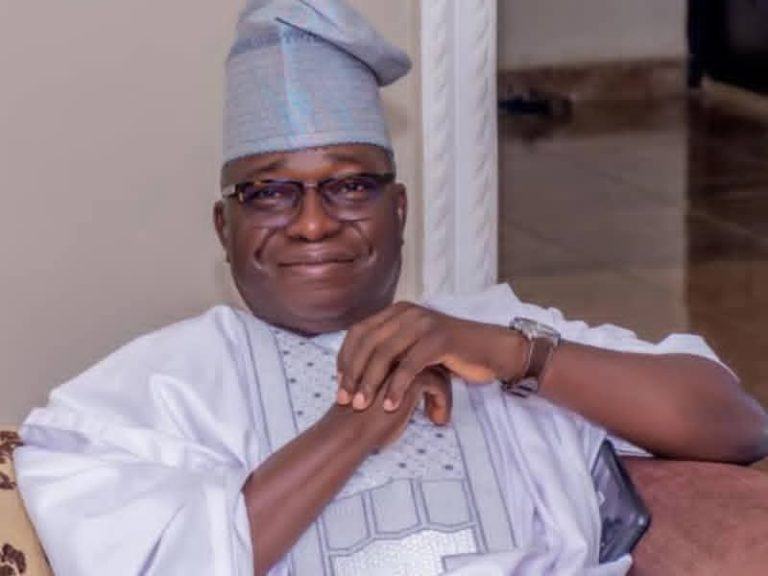
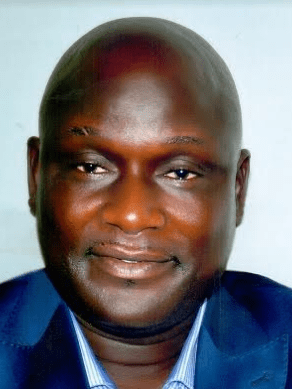
Gbemiga Bamidele, Ph.D. is the convener, Society for Journalism Enhancement
Initiatives (S4JEI)
About the Author