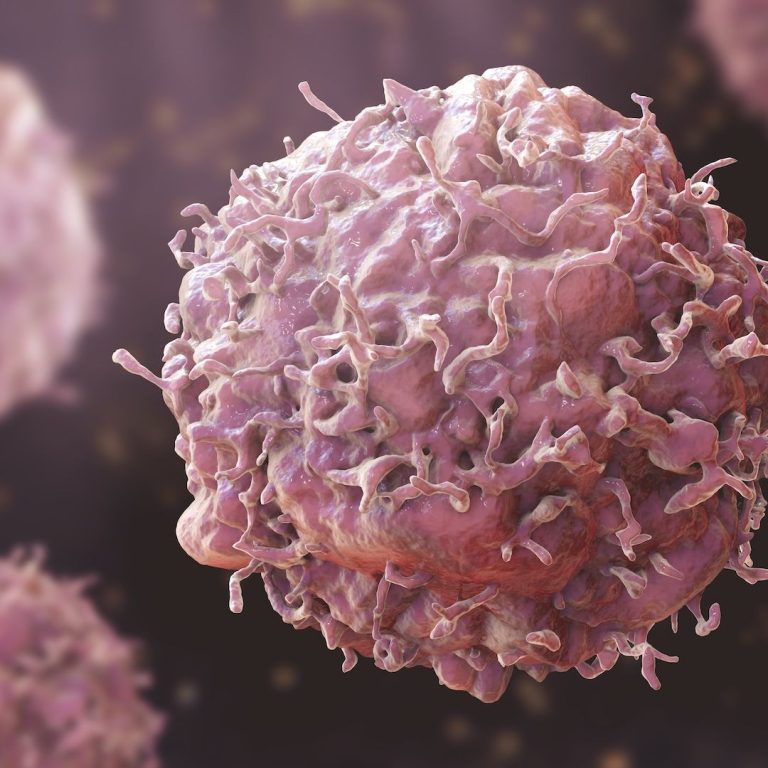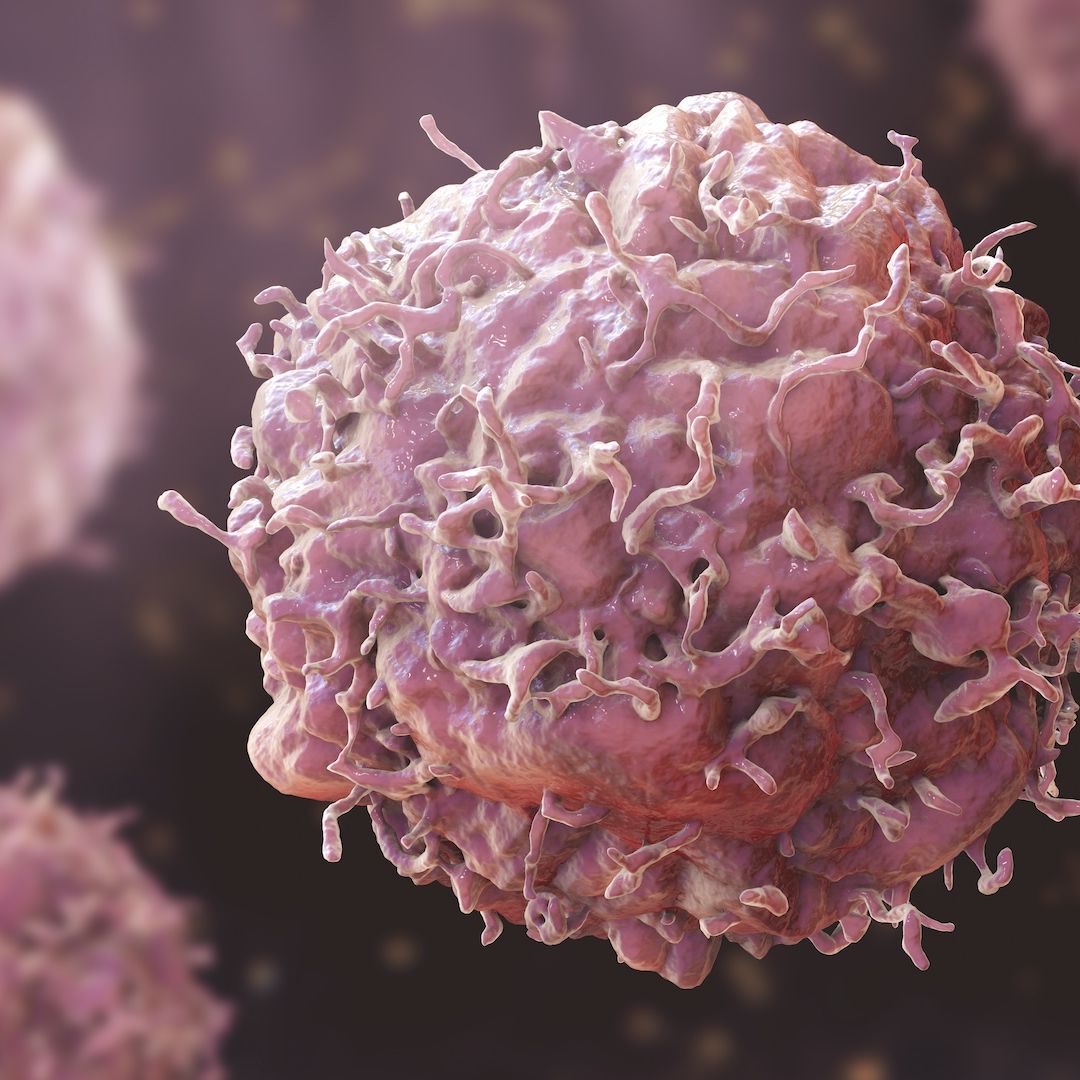
Cancer cells, illustration.
GLP-1 DRUGS TURN CANCER FIGHTERS: NEW RESEARCH SPARKS HOPE FOR PREVENTION AND BETTER OUTCOMES
GREATRIBUNETVNEWS–OZEMPIC, Wegovy and Mounjaro show promise in breast, colon and lung cancer
Key Issues:
1. Research Suddenly Shifting Toward Cancer
_”The story of GLP-1 drugs keeps getting bigger. First they transformed the treatment of diabetes. Then they upended the science and culture of weight loss. Now a growing body of research is raising another possibility: that these drugs may help protect against cancer.”
2. Major ASCO Meeting Shows Consistent Results
_”At this year’s American Society of Clinical Oncology (ASCO) meeting in Chicago, more than 40 studies, abstracts, oral presentations and poster presentations examined the relationship between GLP-1-based drugs and cancer. The results were strikingly consistent.”
3. Lower Cancer Rates and Better Outcomes Observed
_”Taken together, they suggest that people taking medications such as Ozempic, Wegovy and Mounjaro may develop certain cancers at lower rates than comparable patients who are not taking the drugs and that those already diagnosed may experience a slower decline and better outcomes.”_
4. Focus on Key Cancers: Breast, Colon, Lung
_”New studies are fueling optimism about the drugs’ potential role in prevention and treatment — especially in breast, colon and lung”
THE FULL TEXT AS PUBLISHED BY [ WASHINGTON POST]
The science around GLP-1 drugs and cancer is suddenly getting a lot more interesting
New studies are fueling optimism about the drugs’ potential role in prevention and treatment — especially in breast, colon and lung
The story of GLP-1 drugs keeps getting bigger.
First they transformed the treatment of diabetes. Then they upended the science — and culture — of weight loss. Now a growing body of research is raising another possibility: that these drugs may help protect against cancer.
At this year’s American Society of Clinical Oncology (ASCO) meeting in Chicago, more than 40 studies, abstracts, oral presentations and poster presentations examined the relationship between GLP-1-based drugs and cancer. The results were strikingly consistent. Taken together, they suggest that people taking medications such as Ozempic, Wegovy and Mounjaro may develop certain cancers at lower rates than comparable patients who are not taking the drugs — and that those already diagnosed may experience a slower decline and better outcomes.
For oncologists, the accumulation of evidence is hard to dismiss. The findings are “super promising,” said Mark Orland, a cancer researcher at the Cleveland Clinic. “We’re really excited to be on the forefront of looking at the effects of these drugs.”
The studies spanned many of the 13 cancers associated with obesity. Among the most prominent is an analysis from the University of Pennsylvania presented on Tuesday. It looked at data from more than 100,000 women and found lower rates of breast cancer among those taking the drugs. Another followed more than 10,000 patients and found that those taking the medications were significantly less likely to progress to metastatic disease across four solid tumors.
Also drawing attention were findings related to lung cancer — because it is not generally associated with weight — as well as a few studies hinting that GLP-1s could enhance the effectiveness of cancer treatments. Those findings have fueled a particularly intriguing possibility: that GLP-1s may be acting independently of weight loss — by reducing inflammation, altering metabolic pathways involved in cancer development or perhaps even slowing tumor growth itself.
None of this proves that GLP-1s prevent cancer, and doctors said the evidence is not yet strong enough to recommend prescribing the drugs for that purpose. Most of the findings come from observational studies, which can identify associations but cannot establish cause and effect. That distinction matters. Patients who take GLP-1s may differ from those who do not in ways researchers cannot fully measure, even after statistical adjustments. Many treatments that appear effective in observational data fail in randomized clinical trials, where patients are assigned to receive a drug or a comparison treatment.
Scientists point to metformin as a cautionary example. During the 2010s, the diabetes drug was repeatedly linked to lower cancer risk in observational studies, but those benefits largely disappeared when tested in clinical trials.
For now, the GLP-1 findings remain a hypothesis rather than a conclusion. Yet the growing volume of evidence has turned the question into a serious area of investigation.
The larger question raised by the findings is whether medicine has underestimated how many diseases share the same underlying biology. GLP-1s keep forcing medicine to redraw the boundaries between diseases that once seemed separate. Diabetes, obesity, heart disease, kidney disease, addiction, dementia, cancer — the emerging theory is that many of these conditions may share more than researchers appreciated.
To Gilberto de Lima Lopes, chief of medical oncology at the Sylvester Comprehensive Cancer Center at the University of Miami, the cancer findings fit into a broader pattern. GLP-1s increasingly resemble “a really interesting longevity drug,” he said — one that may influence enough biological processes to extend life in ways researchers are only beginning to understand.
“The potential benefit is real,” he said, “and it makes biological sense.”
Preventing cancer
The connection between obesity and cancer is one of the most established findings in cancer epidemiology. Excess body fat does more than add weight to the body. The tissue is biologically active, producing hormones and inflammatory molecules that can influence how cells — including tumors — grow, divide and repair themselves.
“We know obesity is a risk factor, but we don’t understand how,” said Elizabeth McDonald, a physician and radiology professor at the Hospital of the University of Pennsylvania.
McDonald was among the researchers behind one of the conference’s most talked-about findings. Like much of the new GLP-1 research presented, her study relied on analyzing existing medical records rather than a randomized clinical trial. She examined records from about 100,000 women ages 45 to 80 undergoing breast imaging and found that after accounting for differences in age, obesity, diabetes and other risk factors, GLP-1 users remained roughly 30 percent less likely to develop breast cancer.
McDonald said the findings build on years of studies in lab-grown cells and animals that have suggested GLP-1 drugs can slow cancer cell growth, enhance the effects of chemotherapy and influence other pathways linked to cancer development.
Washington Nationals’ Nasim Nuñez wears pink socks in recognition of Breast Cancer Awareness Day on Mother’s Day last month. (Lynne Sladky/AP)
A separate breast cancer study, led by Jasmine Sukumar of MD Anderson Cancer Center and also presented at the ASCO meeting, analyzed records from more than 137,000 breast cancer patients between 2014 and 2023. In a matched analysis, women taking GLP-1 drugs had markedly better survival: Nearly 96 percent were alive five years after surgery, compared with about 90 percent of similar patients who were not taking the medications.
For McDonald and Sukumar, the question is no longer whether the signal is interesting. Given the growing number of large studies finding similar results, they said, the next step is to test the hypothesis in randomized clinical trials.
“We are nearing the ends of years of research leading up to this,” McDonald said.
Surprising links between autism, Alzheimer’s could change how we treat both
Surprising links between autism, Alzheimer’s could change how we treat both
April 5, 2026
6 daily habits to slow aging, from a Harvard brain expert
6 daily habits to slow aging, from a Harvard brain expert
January 21, 2026
He’s dying. She’s pregnant.
He’s dying. She’s pregnant.
June 12, 2025
Sukumar said the consistency of the findings across multiple studies was particularly encouraging.
“All the studies have slightly different designs, and yet we are still seeing some absolute benefit with GLP-1s,” she said.
The prevention signal extended beyond breast cancer. Studies of pancreatic cancer, acute myeloid leukemia and several other malignancies also found lower cancer rates among patients taking GLP-1 drugs.
Researchers at University Hospitals Seidman Cancer Center and Case Western Reserve University reported that among patients with chronic pancreatitis — a major risk factor for pancreatic cancer — those taking GLP-1 drugs were more than 50 percent less likely to develop the disease, one of the deadliest malignancies.
Another study pointed to a possible benefit in acute myeloid leukemia. Colton Jones, a fellow at the Mays Cancer Center at the University of Texas, found that GLP-1 use was associated with a 63 percent reduction in risk. Jones calculated what such an effect might mean at a population level. If roughly 20 million Americans are now taking GLP-1 drugs, he estimated, the association could translate into approximately 1,500 fewer leukemia cases.
“That is a good number,” Jones said. If the findings hold up, he added, “this could revolutionize how we prevent cancer on the whole.”
Slowing progression
Orland’s work began with a single patient. More than a year ago, he noticed something unusual in a patient with clonal hematopoiesis of indeterminate potential, or CHIP, a blood disorder associated with an elevated risk of leukemia and other diseases. After the patient began taking a GLP-1 drug, the number of mutant blood cells associated with the condition declined.
The case was hardly proof of anything. But it was enough to make Orland wonder whether the drugs were affecting cancer biology in ways researchers had not appreciated. He and his colleagues began combing through hundreds of thousands of medical records to test the idea that GLP-1s, when started after a cancer diagnosis, might slow disease progression. To isolate the effect of the drugs, they compared patients taking GLP-1s with similar patients receiving other diabetes medications.
The results, published in the Journal of Clinical Oncology, showed that patients taking GLP-1 drugs were 38 to 50 percent less likely to progress to metastatic disease in four cancers: lung, breast, colorectal and liver. One possible explanation, Orland said, is that the drugs’ anti-inflammatory and immune-modulating effects make it harder for cancer cells to thrive and spread.
Boosting existing treatments
Two studies presented at the ASCO meeting raised a possibility that goes beyond cancer prevention: that GLP-1 drugs may improve outcomes for patients who already have advanced cancer.
In one abstract, Shalin Rawal of NYMC at St. Mary’s General Hospital and Saint Clare’s Health examined patients with metastatic colorectal cancer receiving immune checkpoint inhibitors, a class of drugs that help the immune system recognize and attack tumors. Patients taking GLP-1 drugs had consistently lower mortality rates than comparable patients who were not taking the drugs at three years, five years and beyond.
Researchers said the findings suggest that GLP-1s may enhance the effectiveness of immunotherapy, potentially through their anti-inflammatory and immune-modulating effects. Another possibility, said Michael Maroules, a New Jersey-based oncologist who helped with the study, is that GLP-1s make it easier for immune system cells to recognize and target cancer cells.
Khvaramze Shaverdashvili of Thomas Jefferson University led a separate analysis of more than 25,000 patients with metastatic non-small cell lung cancer treated with targeted therapies known as tyrosine kinase inhibitors, or TKIs. Patients taking GLP-1 drugs had substantially better outcomes, with five-year survival of 63 percent compared with 40 percent among nonusers.
Although the studies involved different cancers and different treatments, they pointed to the same underlying hypothesis: that GLP-1s may alter the body’s inflammatory and metabolic environment in ways that make cancer therapies more effective.
SOURCE ==WASHINGTON POST==EXCEPT THE HEADLINE AND INTRO PLUS A FEW PARAGRAPHS
About the Author