23 SOLAR MINI-GRIDS LIVE: “THIS IS POWER FOR FOOD” – FG DECLARES WIN FOR FARMERS
GREATRIBUNETVMEWS –THE Federal Government says 23 new solar mini-grids are now running and directly boosting Nigeria’s food security. Minister of Power Joseph Tegbe and the REA say this is what partnership + clean energy looks like.
No diesel. No blackout. Just power on the farms
Bottom Line:
23 solar mini-grids = more power for irrigation, processing, and cold storage. REA, UNDP, and GEF say this AMP rollout is proof Nigeria is closing in on universal electricity access
The Key Issues, In Full Quotations:
1. The 23 Mini-Grids & Their Mission
“Twenty-three newly deployed solar-powered mini-grids are actively boosting Nigeria’s food security, Nigeria’s Minister of Power, Joseph Tegbe and the Electrification Agency (REA) have revealed.”
2. The Global Partnership Behind It
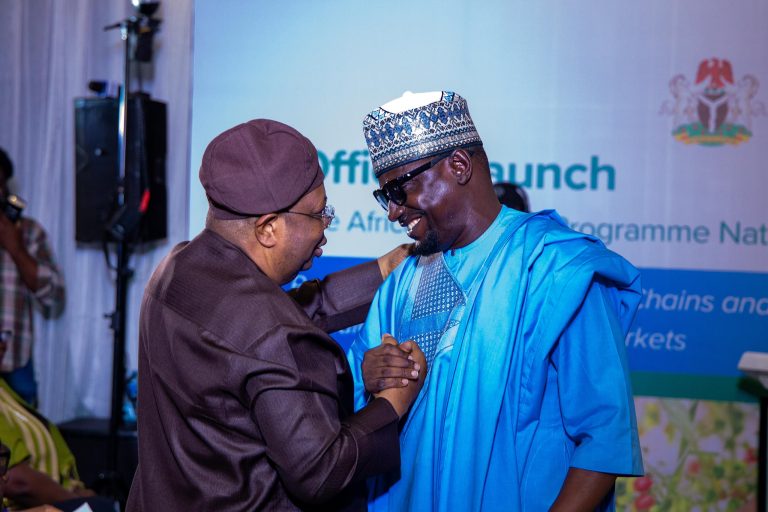
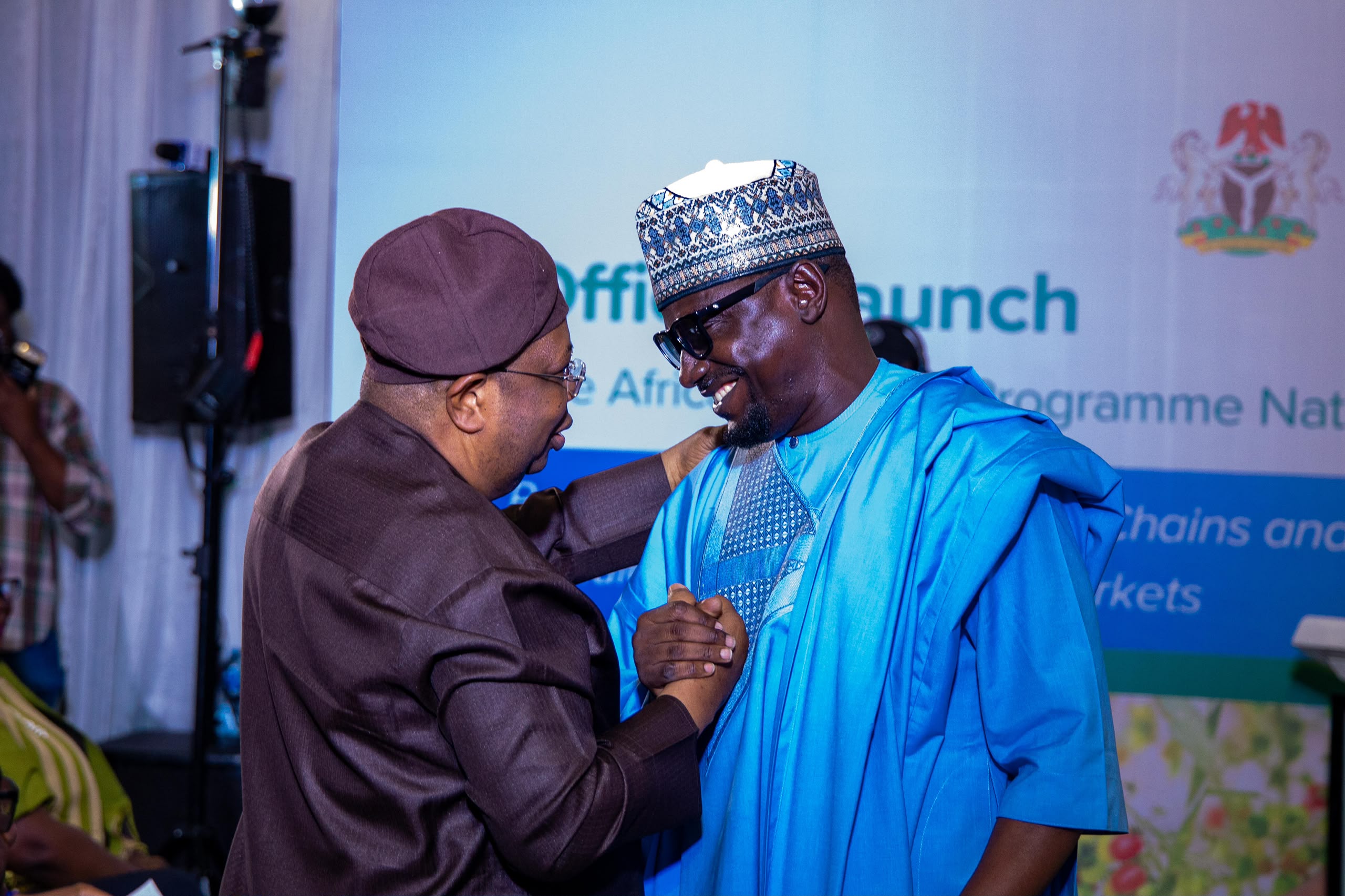
“Speaking at the media launch of the Africa Mini-Grid Program (AMP) in Abuja recently, the Minister of Power, Joseph Tegbe hailed the partnership between the Rural Electrification Agency (REA), the United Nations Development Programme (UNDP), and the Global Environment Facility (GEF) as a powerful demonstration of partnership, innovation, and a shared commitment to expanding sustainable energy access across the nation.”
3. The Road to Universal Power
“He noted that the partnership between the REA, UNDP, and GEF are moving Nigeria much closer to achieving universal electricity access.”
He reiterated that the Ministry of Power, under the leadership of President Bola Ahmed Tinubu, has been very deliberate in deploying innovative, renewable energy solutions to power unserved and underserved communities, alongside critical agricultural clusters.
The Minister further noted that the programme has gone far beyond simply deploying raw electricity infrastructure by fundamentally transforming rural communities, livelihoods, and local economies.
In his remarks, the Managing Director of the Rural Electrification Agency (REA), Dr. Abba Aliyu noted that the ultimate goal of the project is to create a sustainable, structural economic impact that directly strengthens national food systems.
In his remarks, Dr. Aliyu emphasized that the benchmark for successful energy access must evolve past simply counting household wire connections.
He observed that for decades, energy poverty and agricultural poverty have existed side by side.
The Africa Mini-Grid Program directly challenges this reality by integrating productive-use appliances into energy access solutions, effectively strengthening the relationship between electricity and agriculture.
According to the Dr Aliyu, the 23 mini-grids have been deployed in historically underserved regions, directly empowering local rice processors to double their daily output and spurring the creation of localized supply chains.
“Farmers can now process and preserve their produce on-site, which eliminates expensive logistics and prevents agricultural spoilage. The steady electricity supply is also driving rural income diversification, providing extended operating hours for women entrepreneurs and local tech artisans whose businesses can now remain open long after sunset,” he said.
About the Author