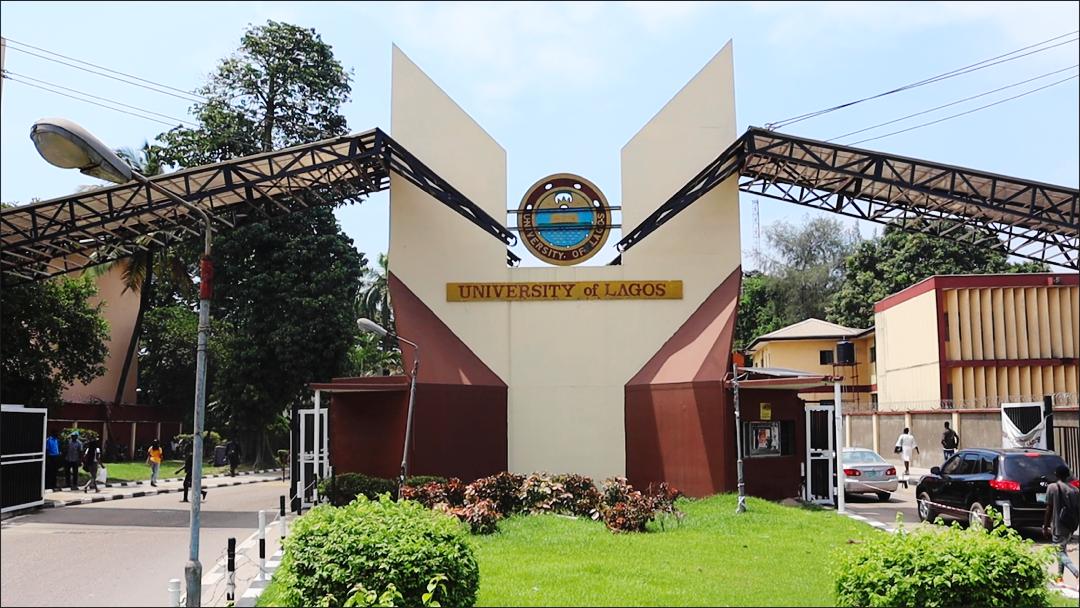
FG UNLEASHES ₦2.25BN TO FURNISH STUDENT INNOVATORS: UNILAG TAKES THE LEAD
GREATRIBUNETVNEWS–THE Federal Government has disbursed ₦2.25 billion to 45 student innovators across Nigeria, with the University of Lagos (UNILAG) emerging as the top beneficiary. Here are the key highlights:
– Student Venture Capital Grant (SVCG): A flagship initiative funding student entrepreneurs, encouraging innovation, and building scalable startups.
– _”The quality and ambition demonstrated by these 65 student innovators is deeply encouraging… We are building a strong pipeline of innovators and entrepreneurs who will drive Nigeria’s future growth.”_ – Minister of Education, Dr. Tunji Alausa
– 45 Beneficiaries: Each received up to ₦50 million in equity-free funding, removing financial barriers and retaining ownership.
– UNILAG Leads : Eight students secured ₦50 million each, showcasing the university’s innovation prowess.
– *National Impact*: Initiative aims to transform tertiary institutions into innovation hubs, driving economic growth and job creation .
The SVCG reflects a multi-sectoral commitment to nurturing student innovation, with key stakeholders like the UNDP, Google, and Bank of Industry supporting the initiative.
The government has also indicated plans to expand funding in future cohorts, potentially doubling the grant size if measurable impact is achieved. Additionally, there is a projection of 200,000 applications in subsequent rounds, signaling rapid growth and interest.
UNILAG’s Leadership Position
The University of Lagos (UNILAG), emerged as the top-performing institution, with:
Eight students selected
Each receiving ₦50 million
A combined total of ₦400 million
This dominance reinforces UNILAG’s reputation as a leading hub for innovation, entrepreneurship, and research excellence in Nigeria.
Other Beneficiary Institutions
Beyond UNILAG, the initiative reflected national inclusivity, with winners from institutions such as:
University of Ilorin
Federal University of Technology, Minna
Lagos State University
Bayero University, Kano
This distribution highlights the government’s commitment to geographical and institutional diversity in innovation development.
Nature of Funded Innovations
A defining feature of the selected projects is their technology-driven orientation, with a strong emphasis on:
Artificial Intelligence (AI)
Digital platforms
Data-driven solutions
These innovations are targeted at solving real-world societal challenges, including:
Healthcare access and delivery
Economic empowerment
Social infrastructure gaps
This focus positions Nigerian students at the forefront of deep-tech and impact-driven entrepreneurship.
Government’s Vision for Educational Reform
Shift from Theory to Innovation
Minister Tunji Alausa emphasized a critical shift:
Moving from certificate-based education
Toward innovation, enterprise, and problem-solving
He urged governing councils to prioritize forward-thinking leadership, particularly in appointing vice-chancellors and rectors with innovative mindsets.
Strategic National Goals
Aligned with the vision of Bola Tinubu, the initiative seeks to:
Transform institutions into “engines of enterprise”
Encourage knowledge creation and commercialization
Build a future-ready workforce
Alausa stressed that students should operate at advanced cognitive levels—applying critical thinking, research, and practical skills to solve societal problems.
Perspectives from Key Stakeholders
Innovation and Resilience
Minister Bosun Tijani encouraged beneficiaries to:
Stay committed to their ideas
Learn from failure
Continuously refine and scale their innovations
Legislative Support
Muntari Dandutse highlighted the importance of:
Bridging the gap between theory and practice
Supporting initiatives that foster entrepreneurship and scalable businesses
Programme Expansion
According to Adebayo Adebajo, the government anticipates massive growth in participation, aiming for 200,000 applicants in future editions.
Impact and National Significance
For Students
Access to substantial startup capital
Opportunity to become job creators
Exposure to real-world problem-solving
For Institutions
Strengthening of innovation ecosystems
Enhanced global competitiveness
Encouragement of industry-academic collaboration
For Nigeria’s Economy
Growth of startup and tech ecosystems
Promotion of AI and deep-tech solutions
Advancement toward a knowledge-based economy
Alausa emphasized that the initiative is not just about individual success but “national transformation”, aiming to harness Nigeria’s youthful population into productive human capital.
Challenges and Future Outlook
Despite its promise, the initiative’s success will depend on:
Effective monitoring and accountability
Sustained mentorship and incubation support
Ensuring commercial viability of projects
If properly implemented, the SVCG could position Nigeria as a continental hub for innovation and technology-driven growth.
Conclusion
The disbursement of ₦2.25 billion to 45 student innovators, led by the outstanding performance of the University of Lagos, represents a transformative shift in Nigeria’s education and economic strategy.
By prioritising innovation, entrepreneurship, and real-world impact, the Federal Government is redefining the role of tertiary institutions—from centres of learning to engines of national development.
The SVCG initiative signals a future where Nigerian students are not just graduates, but creators, innovators, and drivers of economic progress.
About the Author