
KNOWLEDGE IS POWER! SPE BUILDS BRIDGE BETWEEN OILFIELD AND NEWSROOM TO STRENGTHEN ENERGY REPORTING BY RASHEED KOMOLAFE AND AMINAT KOMOLAFE MUSTAPHA
BY RASHEED KOMOLAFE AND AMINAT KOMOLAFE MUSTAPHA
GREATRIBUNETVNEWS–IN a bold move to deepen understanding and foster collaboration, top petroleum engineers have opened their doors to energy journalists, recognizing the critical, daily sacrifice reporters make to keep Nigerians informed about the lifeblood of the nation’s economy.
ITEMISED KEY ISSUES WITH FULL QUOTATIONS:
1. A MASTERCLASS BORN OF RESPECT
“SPE Organises Executive Masterclass to Train Energy Journalists”
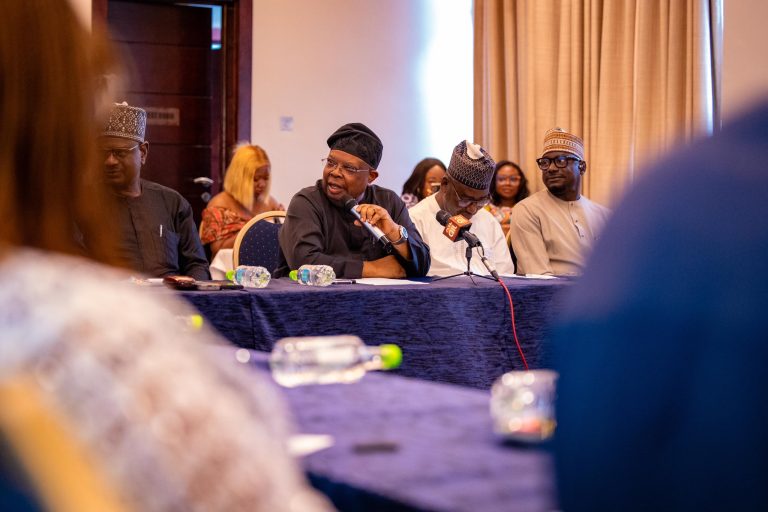
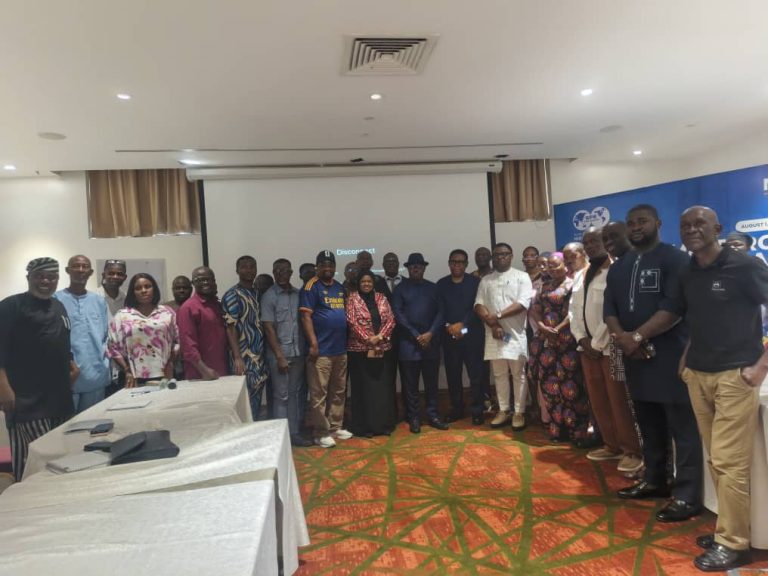
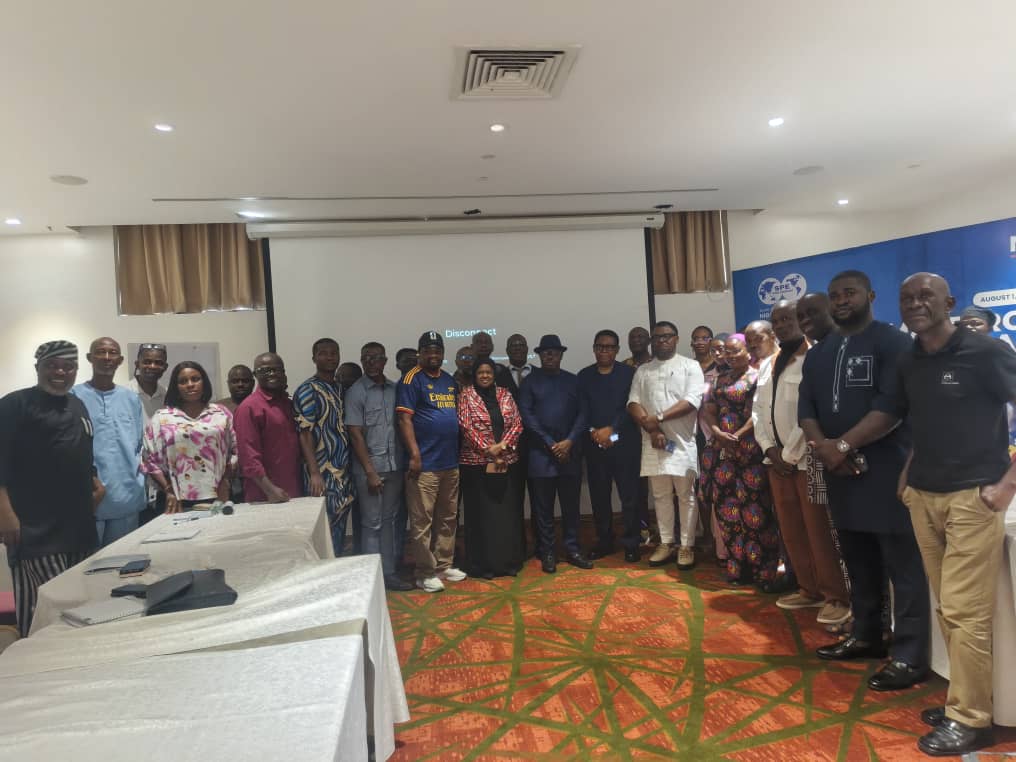
“Addressing journalists at the Executive Masterclass on Energy Journalism, Chairman, SPE Nigeria Council, Engr. Francis Nwaochei, was delighted to host the programme in partnership with Sequest Upstream Company Ltd on the theme, ‘Engineering the Narrative: Why Technical Knowledge Matters in Energy Journalism.'”
2. JOURNALISTS AS SHAPERS OF THE INDUSTRY
“Nwaochei was of the view that the theme directly spoke to the role that credible journalism plays in shaping public understanding of Nigeria’s energy industry.”
“The stories that appear in newspapers, television, online platforms and across social media influence public perception, investor confidence and even policy conversations. This is why accuracy matters.”
3. WHY THIS TRAINING IS NEEDED NOW
“Nigeria’s energy industry is evolving rapidly. Today’s conversations extend beyond crude oil production. They include gas development, energy security, carbon management, digital technologies, local content, infrastructure development, financing, regulatory reforms and the transition to a lower-carbon future. As the industry becomes more complex, reporting on it also requires greater depth and context, Nwaochei added.”
4. EMPOWERMENT, NOT CONVERSION
“According to the SPE Council Chair, the Masterclass is not about turning journalists into petroleum engineers. This is not the expectation, rather, the goal is to inspire energy journalists to become more effective by developing the confidence to ask the right questions, conduct due diligence and present accurate, balanced and well-researched reports.”
5. DEMYSTIFYING THE NUMBERS
“In our industry, details matter. A production figure may represent installed capacity, actual production or a future target. A reserve estimate is different from recoverable production. A licence award is not the same as first oil. An investment announcement does not necessarily mean the funds have been deployed, and an acquisition only creates value when it is successfully executed.”
6. THE JOURNALIST’S CHECKLIST FOR EXCELLENCE
“Before publishing a story, ask: What exactly does this number represent? What evidence supports this claim? Has it been independently verified? What stage has this project reached? What approvals or milestones are still outstanding?”
“Those simple questions can make the difference between a good story and a truly insightful one.”
7. THE KNOWLEDGE TOOLKIT
“Our resource persons will discuss the realities behind production figures, reserves, investments, project development, regulatory processes and emerging technologies such as Artificial Intelligence, digital twins and data analytics. They will share practical insights that will help you interpret industry developments with greater confidence and accuracy.”
8. A TWO-WAY STREET OF PROFESSIONALISM
“Engr. Nwaochei said a professional journalist should be able to ask difficult questions that a professional engineer should be willing to provide factual answers. When both are guided by integrity and professionalism, the result is better public understanding and greater confidence in our industry.”
Continuing he said, this commitment aligns closely with the mission of the SPE. SPE exists to advance technical knowledge, promote professional excellence and share expertise for the benefit of society.
The programme is another expression of SPE’s mission by bringing engineers, regulators, communicators and journalists together, “we are creating a platform where knowledge is shared, understanding is deepened and lasting professional relationships are built.”
Ultimately, Nigeria deserves an energy narrative that is both ambitious and accurate. The country should celebrate its achievements, acknowledge challenges, explains opportunities and report its progress with fairness and context.
Credibility is built not by sensational headlines, but by facts, evidence and responsible journalism.
“Together, let us strengthen the bridge between engineering and journalism. Let us ensure that the stories we tell are not only compelling, but also credible; not only timely, but technically sound; and not only informative, but beneficial to Nigeria’s energy future.”
About the Author